

Craft cannabis California is entering a defining era. The state’s cannabis identity was built by growers, small farms, local communities, genetics passed through trusted circles, and people who learned the plant by working directly with it.
That history still matters.
But in 2026, California cannabis looks very different.
The legal market is larger, more regulated, more competitive, and increasingly influenced by scale. Bigger cultivation operations, vertically integrated companies, standardized manufacturing, price pressure, and statewide distribution have changed what it takes to survive.
So where does that leave craft cannabis?
The answer is not as simple as “small is good” and “big is bad.”
The real question is whether the values that made California cannabis distinctive — careful cultivation, trusted sourcing, strong genetics, attention to flavor, and connection to the people behind the product — can survive as the industry grows. That is the question shaping the future of craft cannabis California.
Craft Cannabis California: What Does “Craft” Actually Mean?
“Craft cannabis” is not an official quality grade.
There is no single statewide definition that determines whether one product is craft and another is not.
But the idea usually points to a style of production built around smaller batches, closer attention to cultivation, stronger grower involvement, deliberate genetics, and more direct control over quality.
California’s own cultivation licensing system reflects how dramatically production scale can vary.
The Department of Cannabis Control recognizes operations ranging from Specialty Cottage licenses, which may allow as little as 500 square feet of indoor canopy, all the way to large cultivation licenses exceeding 22,000 square feet indoors or more than one acre outdoors.
Those businesses are technically participating in the same legal cannabis market.
But they are not necessarily growing cannabis in the same way.
For many consumers and brands, craft cannabis California is less about a specific canopy size and more about how much attention remains attached to the plant as production grows.
How Craft Cannabis California Changes the Economics of Scale
Large-scale production exists for a reason.
Growing more cannabis can reduce certain costs, improve supply consistency, increase distribution reach, and help brands serve more retailers.
Those advantages matter in a legal industry where operators have to manage licensing, compliance, testing, packaging, taxes, labor, distribution, and competition from the illicit market.
The economics behind craft cannabis California now exist inside an enormous regulated system. In August 2026, the California Department of Tax and Fee Administration reported that legal cannabis sales had generated nearly $8.4 billion in tax revenue since 2018.
That kind of market naturally attracts businesses trying to operate more efficiently.
Scale itself is not the enemy of quality.
A larger cultivator can grow excellent cannabis. A small farm can produce a disappointing batch.
The tension begins when efficiency becomes the only priority.
What Can Get Lost When Production Gets Bigger?
Cannabis is agriculture.
That sounds obvious, but it is easy to forget once the plant becomes an SKU moving through a large supply chain.
Quality begins long before extraction, packaging, or retail.
It starts with genetics.
Then environment.
Then plant health.
Harvest timing.
Drying.
Curing.
Storage.
And the decisions made by the people responsible for each step.
The California Department of Cannabis Control describes cultivation as a multi-stage agricultural process that includes growing-medium preparation, planting, irrigation, pest management, harvesting, drying, curing, and trimming.
Every one of those stages can influence the final material.
For craft cannabis California operators, the challenge is maintaining that attention across larger volumes.
Consistency can improve with scale.
But individuality can become harder to preserve.
That is one reason certain consumers still seek out smaller growers, specific farms, genetics, and batch-driven products.
They are not only buying THC.
They are buying origin.
California Still Has a Strong Small-Farm Identity
Small and legacy cultivators are not an invented marketing category.
They are part of the actual structure and history of the California market.
The state’s licensing system includes Specialty Cottage, Specialty, and Small cultivation categories designed around comparatively limited canopy sizes.
The craft cannabis California story also includes the long process of bringing legacy growers into the fully regulated system.
In Mendocino County, for example, the Department of Cannabis Control certified an environmental review designed to help more than 500 cultivators move from provisional to annual licensing. The DCC described many of those growers as part of Mendocino’s cannabis history before legalization.
That matters because California cannabis did not begin with legalization.
Legalization changed the rules around an ecosystem that already existed.
For craft producers, the challenge is now surviving inside a system that often rewards efficiency, capital, and scale.
Craft Cannabis Is Also About Relationships
One of the biggest differences between a purely commodity-driven model and a craft-oriented model is how products are sourced.
When cannabis becomes a commodity, the conversation often centers on price, potency, and volume.
In craft cannabis California sourcing, different questions appear:
- Who grew it?
- What genetics were selected?
- How was it cultivated?
- Was the flower actually suited to the final product?
- Does the grower have a history with the brand?
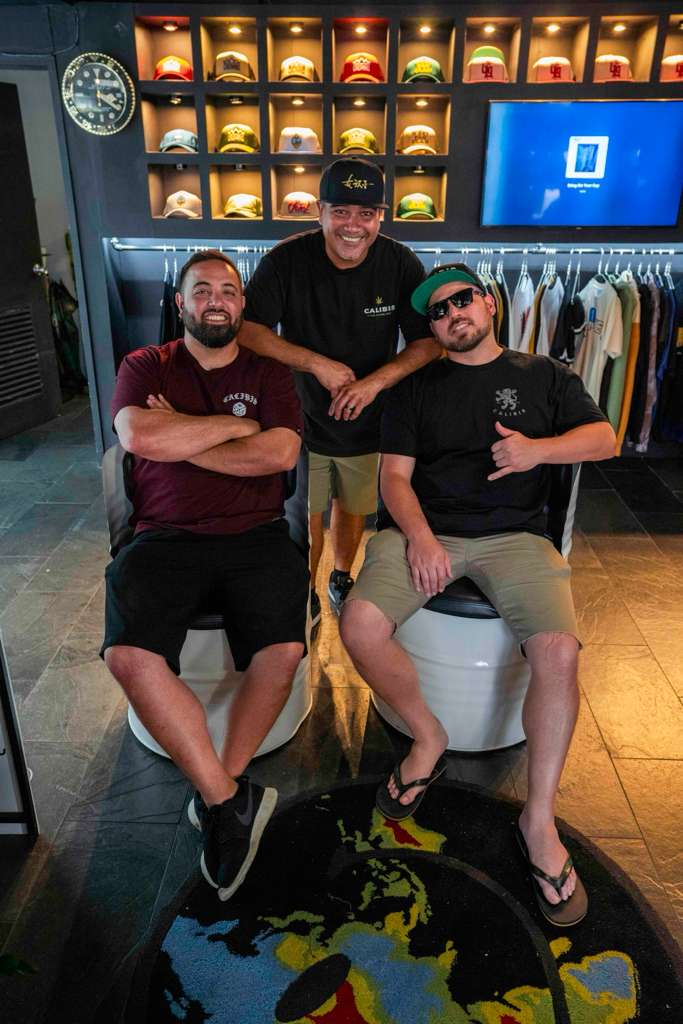
That approach is central to how Calibis Farms describes its own sourcing philosophy.
Calibis is a family-owned craft cannabis company built around relationships with trusted California growers and manufacturers. The brand says it sources from small craft farmers and works with producers it knows and respects before the material is transformed into oil.
That doesn’t mean every small farm is automatically superior.
It means traceability and relationships become part of quality control.
Why Craft Still Matters Even When the Final Product Is a Vape
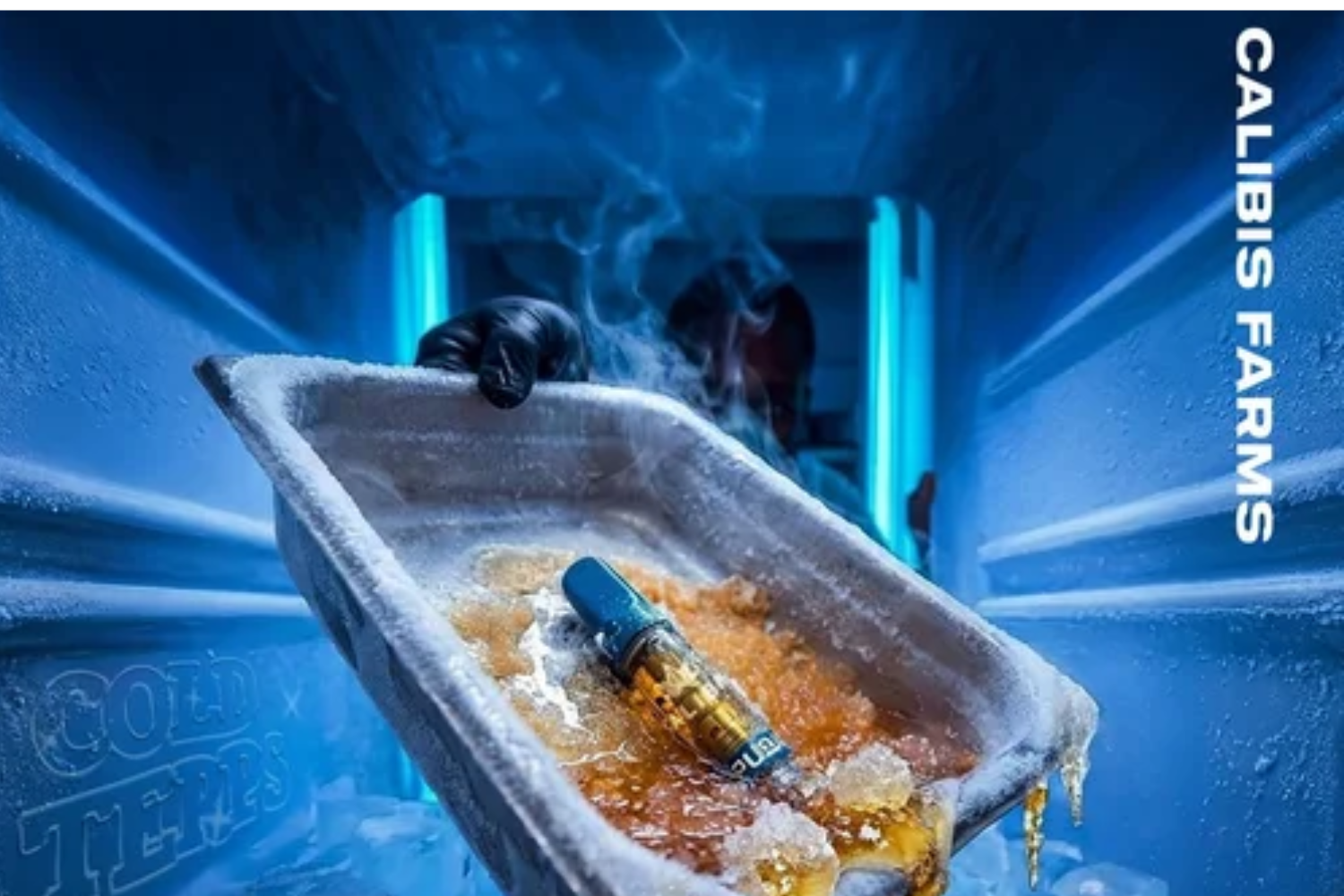
The craft cannabis California conversation becomes particularly relevant to Calibis when flower is transformed into oil.
A consumer may never see the original flower inside a finished vape.
But that does not mean the flower stops mattering.
The oil had to come from somewhere.
And the quality of that starting material can influence:
- aroma;
- terpene expression;
- extraction potential;
- flavor;
- consistency;
- and the character of the finished oil.
This is especially important for products designed to retain more of the source material’s profile. Cannabis-derived terpenes help explain why source material and aroma remain part of the finished experience.
When a vape is built around terpene expression or full-spectrum characteristics, the relationship between flower and finished product becomes much more direct.
A premium device cannot turn poor starting material into great cannabis.
Hardware matters.
Extraction matters.
Formulation matters.
But the process still starts with the plant.
Mass Production Doesn’t Automatically Mean Low Quality
The craft conversation becomes weak when it turns into nostalgia.
Craft cannabis California cannot survive simply by pretending the industry never changed.
Consumers also benefit from things that larger systems can provide.
Standardization can improve reliability.
Professional manufacturing can improve consistency.
Testing and compliance create important safeguards.
Larger supply chains can make products easier to find.
And experienced operators can produce at scale without abandoning quality.
The more useful question is not:
“Is large-scale cannabis bad?”
It is:
“What happens to quality as the business scales?”
The best operators are the ones that can answer that question.
Craft Has to Mean More Than Marketing
The word “craft” has value precisely because consumers associate it with care.
That also makes it easy to overuse.
A black package, handwritten font, or story about “small batches” does not automatically make a product craft.
The claim should be supported by something real.
For craft cannabis California brands, that proof could include:
- identifiable growers;
- smaller production runs;
- traceable genetics;
- specific cultivation methods;
- documented sourcing;
- batch-specific characteristics;
- grower collaborations;
- or greater transparency about how the product was made.
For cannabis brands, the future of craft may depend on proving those differences rather than simply putting the word on packaging.
The Fight Is Really About Identity
The craft cannabis California market is now a legal consumer industry.
But it is also a culture with decades of history behind it.
Those two identities do not always fit together easily.
Large-scale production wants predictability.
Craft culture often celebrates variation.
Retail wants reliable inventory.
Growers may want to protect small batches and unique genetics.
Consumers want affordability.
Brands want enough margin to survive.
None of those priorities are inherently wrong.
The tension comes from trying to satisfy all of them at the same time.
That is why the craft vs. mass-production discussion is really about more than cultivation size.
It is about what California cannabis wants to become.
The Future of Craft Cannabis California May Be Larger-Scale Craft
The answer may not be choosing one side.
A stronger craft cannabis California future could come from combining the strengths of both.
- Professional manufacturing.
- Reliable testing.
- Better hardware.
- Consistent distribution.
- Trusted growers.
- Strong genetics.
- Careful sourcing.
- Small-batch collaborations.
- Real transparency.
That hybrid model lets brands grow without completely separating the finished product from the culture and people that created it.
For Calibis Farms, that idea is already part of the brand.
The company describes its mission around sourcing cannabis from people it knows and trusts, working with small craft growers, and partnering with experienced manufacturers to turn quality flower into clean, flavorful cannabis oil.
This craft cannabis California approach is not a rejection of scale.
It is an argument that growth should not erase origin.
So, Where Is Craft Cannabis California Going?
Probably in several directions at once.
The market will continue to consolidate in some areas.
Large operators will continue to compete on price, distribution, and efficiency.
Small farms will continue looking for ways to survive by differentiating through quality, genetics, geography, cultivation, and story.
And consumers will increasingly decide how much those differences matter.
California cannabis does not have to choose between remaining stuck in the past and becoming completely industrialized.
The more interesting possibility is learning how to grow without losing what made the market valuable in the first place.
Because cannabis can become bigger.
It can become more professional.
It can become more accessible.
Ultimately, craft cannabis California can grow without abandoning the plant, the grower, or the origin of the product. If the industry stops caring about those things, it risks losing the very quality that made California cannabis matter.





2 Responses